
Switching to solar energy is the single most effective step a homeowner can take to cut electricity costs, reduce carbon emissions, and break free from unpredictable utility bills. The advantages of solar power are no longer theoretical. In 2026, with rising grid prices and maturing installation technology, the question is not whether solar works. It is whether your property is ready to make the most of it. This guide covers the financial case, environmental impact, energy independence, and practical considerations every homeowner and property manager needs before making a decision.
Why switch to solar energy: the financial case
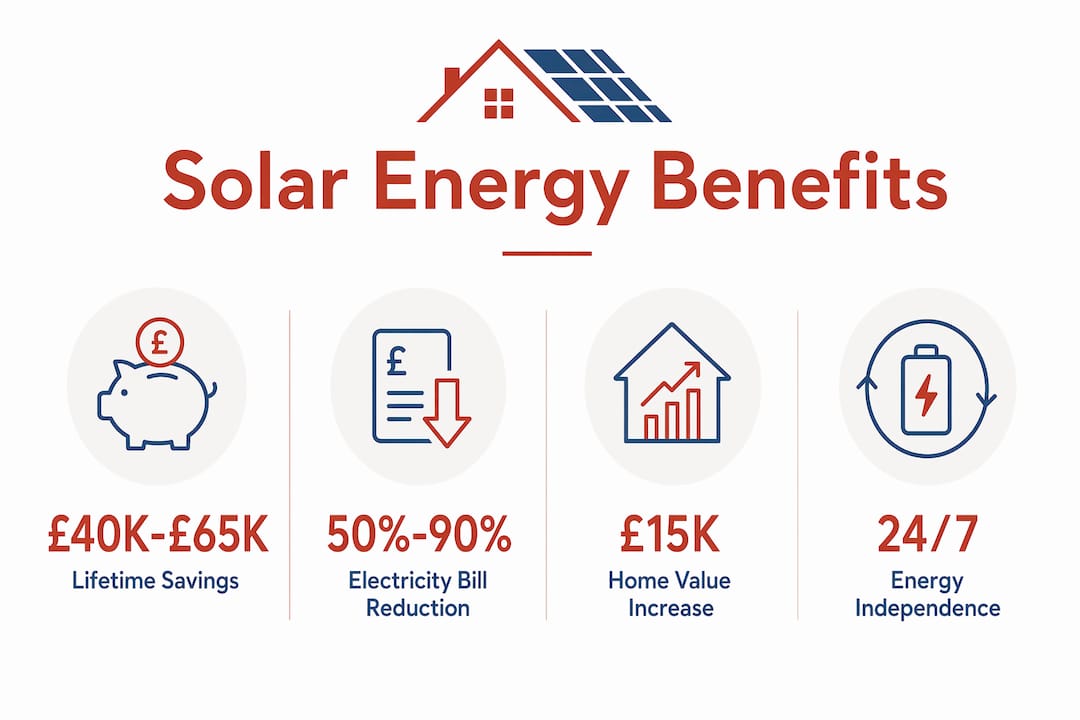
The core financial argument for solar is straightforward. Net savings of £40,000 to £65,000 over a 25-year system lifespan are typical for residential installations, with payback periods currently sitting at 8 to 12 years. That range means most homeowners recover their full investment well within the working life of their panels, then enjoy over a decade of near-free electricity.

Monthly bills tell an equally compelling story. Residential solar systems reduce electricity costs by 50% to 90%, with some households achieving near-zero grid dependency. A 6 kW system, which is a common size for a three or four-bedroom home, typically covers 70% to 110% of average usage depending on roof orientation and local sun hours.
Upfront costs vary, but government incentives change the maths significantly. Tax credits and state incentives can reduce the net cost of installation by 40% to 55% in favourable markets. In the UK, the Smart Export Guarantee allows homeowners to earn payments for surplus electricity exported to the grid, adding another income stream on top of bill savings.
Pro Tip: Run your dishwasher, washing machine, and EV charger during daylight hours. Shifting consumption to peak production hours maximises self-consumption and delivers better returns than relying on export tariffs alone.
Buying outright versus financing
The method of purchase shapes your long-term return considerably. Outright purchase delivers the highest lifetime savings and adds measurable value to your property. Solar homes typically add £15,000 to resale value, making the investment partially recoverable even if you sell before the payback period ends.
Leases and power purchase agreements (PPAs) offer zero upfront cost and immediate bill reductions, but they reduce lifetime savings and, critically, do not add home resale value in the same way. If you plan to stay in your property for ten or more years, outright purchase or a solar loan almost always wins on total return. For landlords and property managers with shorter holding periods, a PPA may still make commercial sense.
You can explore real battery savings examples from 2026 installations to see how different financing structures play out in practice.
What environmental advantages does solar energy offer?
Solar energy’s environmental credentials are quantifiable, not just aspirational. Solar PV systems produce electricity with virtually zero operational greenhouse gas emissions. Lifecycle analyses show solar emits 81% less CO2 than natural gas plants and 95% less than coal plants. That is not a marginal improvement. It is a structural shift in how a household interacts with the energy system.
For a typical home, switching from grid electricity to solar offsets several tonnes of CO2 annually. Over a 25-year system life, that accumulates to a meaningful personal contribution to national carbon reduction targets. The environmental impact of solar is significant and quantifiable, making it one of the most direct actions a household can take.
Beyond carbon, solar energy reduces demand for water-intensive thermal power generation. Conventional gas and coal plants consume large volumes of water for cooling. Solar PV requires almost none during operation. This matters particularly in regions facing water stress, and it is a benefit rarely mentioned in standard cost comparisons.
“Solar panels harness a resource that is both free and inexhaustible, producing power without the air pollutants, water consumption, or carbon emissions associated with fossil fuel generation.”
There are honest caveats worth acknowledging. Solar panel manufacturing carries an upfront carbon cost, and end-of-life recycling infrastructure is still developing. Most panels pay back their manufacturing carbon within two to four years of operation, so the net environmental position remains strongly positive over a full system life. The recycling gap is a genuine industry challenge, but it does not negate the case for adoption today.
How does solar energy improve energy independence?
Rising electricity prices and ageing grid infrastructure make solar an increasingly pragmatic financial decision in 2026. The UK grid has experienced growing pressure from demand peaks, and utility tariffs have risen sharply over the past three years. Solar panels provide a hedge against that volatility by locking in a predictable cost of electricity for 25 to 30 years.
Solar panels shift homeowners from passive consumers to active managers of their own energy supply. This concept, often called becoming a “prosumer,” means you are no longer entirely at the mercy of wholesale energy markets or supplier pricing decisions. You produce, you consume, and you export the surplus.
Battery storage takes this independence further. Here is how the combination works in practice:
- Solar panels generate electricity during daylight hours, powering your home directly.
- Surplus generation charges a battery storage unit rather than being exported at a low tariff.
- After sunset, the battery discharges to cover evening demand without drawing from the grid.
- During a power cut, a properly configured battery system keeps critical circuits running.
Tesla Powerwall units cost approximately £9,000 to £11,000 installed, and most homes need at least one unit for meaningful overnight coverage. That is a significant addition to the upfront investment, but for homeowners in areas prone to outages or with high evening consumption, the resilience benefit is real and measurable.
Pro Tip: If full battery storage feels out of reach financially, install a solar-ready inverter now. It costs very little extra at installation and means you can add a battery later without replacing core equipment.
What practical factors should you consider before going solar?
Not every property is equally suited to solar, and understanding your specific situation before committing is the difference between a strong return and a disappointing one. The table below summarises the key factors and what to look for.
| Factor | What to assess |
|---|---|
| Roof orientation | South-facing roofs in the UK receive the most solar irradiance; east or west-facing can still work well |
| Roof condition | Panels last 25 to 30 years; replace an ageing roof before installation to avoid costly removal later |
| Shading | Chimneys, trees, and neighbouring buildings reduce output; a shading analysis is worth requesting |
| Sun hours | Southern England averages more annual sun hours than Scotland, affecting system sizing and payback |
| Length of ownership | Payback periods of 8 to 12 years mean short-term owners may not fully recover costs without a sale premium |
Beyond the roof itself, local policy matters. Net metering rules and Smart Export Guarantee tariff rates vary by supplier and change over time. Locking in a favourable export rate at installation can meaningfully improve your long-term return. For coastal properties, there are additional considerations around salt air and panel durability, covered in detail in this guide to solar for coastal homes.
When solar may be less suitable:
- Properties with heavily shaded roofs where output would be severely compromised
- Homes where the owner plans to sell within three to five years and the local market does not yet price solar premiums reliably
- Buildings with structural roof issues that would require significant remediation before installation
- Renters without landlord agreement or lease provisions for structural modifications
For property managers considering solar across a portfolio, the whole house solar system guide provides a useful framework for sizing and comparing options across different property types.
Key takeaways
Switching to solar energy delivers the strongest financial and environmental returns for homeowners who own their system outright, align consumption with daytime production, and stay in their property beyond the payback period.
| Point | Details |
|---|---|
| Financial returns are substantial | Net savings of £40,000 to £65,000 over 25 years are typical for owned residential systems. |
| Incentives reduce upfront cost significantly | Tax credits and government schemes can cut net installation cost by 40% to 55%. |
| Environmental impact is measurable | Solar emits 81% to 95% less CO2 per unit of electricity than gas or coal generation. |
| Battery storage adds resilience | Units like Tesla Powerwall provide overnight and outage coverage but add £9,000 to £11,000 to costs. |
| Roof suitability determines return | Orientation, shading, condition, and local sun hours all directly affect system output and payback speed. |
What I have learned from years of solar installations
After working on hundreds of residential solar projects through Smarthometechnical, the pattern I see most often is this: homeowners who hesitate for two or three years while waiting for costs to fall further almost always wish they had acted sooner. Every year of delay is another year of full grid bills paid at rising rates.
The benefit that surprises people most is not the bill reduction. It is the feeling of control. When your meter is running backwards on a sunny afternoon, your relationship with energy genuinely changes. You start paying attention to consumption in a way that compounds the savings further.
My honest advice on battery storage is to be realistic about your evening consumption before committing. A single Powerwall suits a household that is relatively efficient after dark. If you run a hot tub, a home gym, and charge an EV overnight, you need either two units or a frank conversation about which loads matter most during an outage.
On installer selection, ask for MCS certification as a minimum, request references from installations at least three years old, and be sceptical of any quote that skips a shading analysis. The difference between a well-designed system and a poorly designed one is not visible on the day of installation. It shows up in your generation figures twelve months later.
Solar technology will keep improving, and costs will keep falling. But the panels available today are already excellent, the incentives are real, and the grid is not getting cheaper. Waiting for perfect is the enemy of good here.
— Simon
Ready to make the switch? Smarthometechnical can help
Smarthometechnical specialises in residential and commercial solar panel installation, battery storage, and EV charger installation across the UK. Every project starts with a full site survey covering roof orientation, shading analysis, and system sizing tailored to your actual consumption patterns, not generic estimates.

Whether you are a homeowner looking to cut bills and carbon, or a property manager assessing solar across a portfolio, the team at Smarthometechnical designs systems that deliver measurable returns. Financing options are available, and all installations are MCS certified. If you are also considering an EV home charger alongside your solar system, combining both in a single project typically reduces overall installation costs. Request a free consultation today and get a system design built around your property.
FAQ
How much can solar panels save on electricity bills?
Residential solar systems reduce electricity costs by 50% to 90% depending on system size, roof orientation, and household consumption. Homes that shift high-energy tasks to daylight hours achieve the upper end of that range.
Is solar energy worth it in 2026?
Yes, for most homeowners who own their property and plan to stay for ten or more years. Net savings of £40,000 to £65,000 over 25 years, combined with available incentives, make the financial case strong despite payback periods of 8 to 12 years.
Does solar energy work on cloudy days?
Solar panels generate electricity from daylight, not direct sunshine, so they continue to produce power on overcast days. Output is reduced compared to full sun, but a well-sized system accounts for average UK weather patterns in its annual generation estimate.
Do solar panels increase property value?
Owned solar systems typically add around £15,000 to a home’s resale value. Leased systems do not carry the same premium and can complicate property sales if the lease transfers to the buyer.
What is the difference between solar panels and battery storage?
Solar panels generate electricity from sunlight during the day. Battery storage units, such as the Tesla Powerwall, capture surplus generation and release it after dark or during a power cut, extending the period of grid independence beyond daylight hours.
