
A combined solar battery system is a residential energy setup that integrates solar panels, a battery, and a grid connection into one coordinated unit. The industry term for this configuration is a hybrid solar system. It differs from a basic grid-tied solar array because it stores surplus energy rather than simply exporting it. The hybrid inverter sits at the centre of the system, making real-time decisions about where power flows at any given moment. Smarthometechnical installs these systems across southern England, and the questions homeowners ask most often come down to one thing: how does it actually work, and what will it do for my home?
What is a combined solar battery system and how does it differ?
A combined solar battery system, or hybrid solar system, balances power dynamically among the solar array, battery, and the grid to maximise self-consumption and reduce energy bills. That single sentence captures the core purpose. A standard grid-tied system sends unused solar power straight to the grid, often at a low export rate. A hybrid system captures that surplus in a battery first, then draws on it when the sun goes down or clouds roll in.
The distinction from an off-grid system matters too. An off-grid setup has no grid connection at all, which means it relies entirely on battery capacity and solar generation. A hybrid system keeps the grid as a safety net, so you are never left without power if the battery runs flat. This makes hybrid systems the practical choice for most UK homeowners who want resilience without the complexity of full energy independence.
One term that causes genuine confusion is PVT system. A PVT (photovoltaic thermal) system combines electrical solar generation with heat capture in a single panel. That is a fundamentally different technology from a hybrid solar battery system, which focuses on electrical generation and storage. Knowing the difference prevents costly misunderstandings when speaking to installers.
How does a combined solar battery system work in practice?
The system follows a clear priority order when managing energy. Understanding that order explains why homeowners see their bills fall.
- Solar to home loads first. The panels generate DC electricity. The hybrid inverter converts it to AC and supplies your appliances directly. This is always the first use of solar power.
- Surplus charges the battery. Once home demand is met, excess generation flows into the battery rather than the grid. The battery stores it as DC electricity for later use.
- Battery discharges when solar falls short. After sunset, or during heavy cloud cover, the inverter draws from the battery to keep your home running without pulling from the grid.
- Grid fills any remaining gap. If the battery reaches a low state of charge and solar generation is insufficient, the grid supplies the shortfall. You only pay for what the battery and panels cannot cover.
- Backup during outages. Systems with backup capability require inverters designed to form a safe microgrid island, keeping critical circuits powered when the grid goes down.
The hybrid inverter manages this in milliseconds, adjusting to home loads, battery state, and grid conditions based on settings you or your installer configure. That speed is what makes the system feel invisible to the homeowner. You do not manage it manually. It simply runs.
Pro Tip: Set your battery to charge from the grid overnight on an economy tariff such as Octopus Go, then discharge during peak evening hours. This strategy can cut your import costs significantly even on cloudy days.
What are the main components and system architectures?
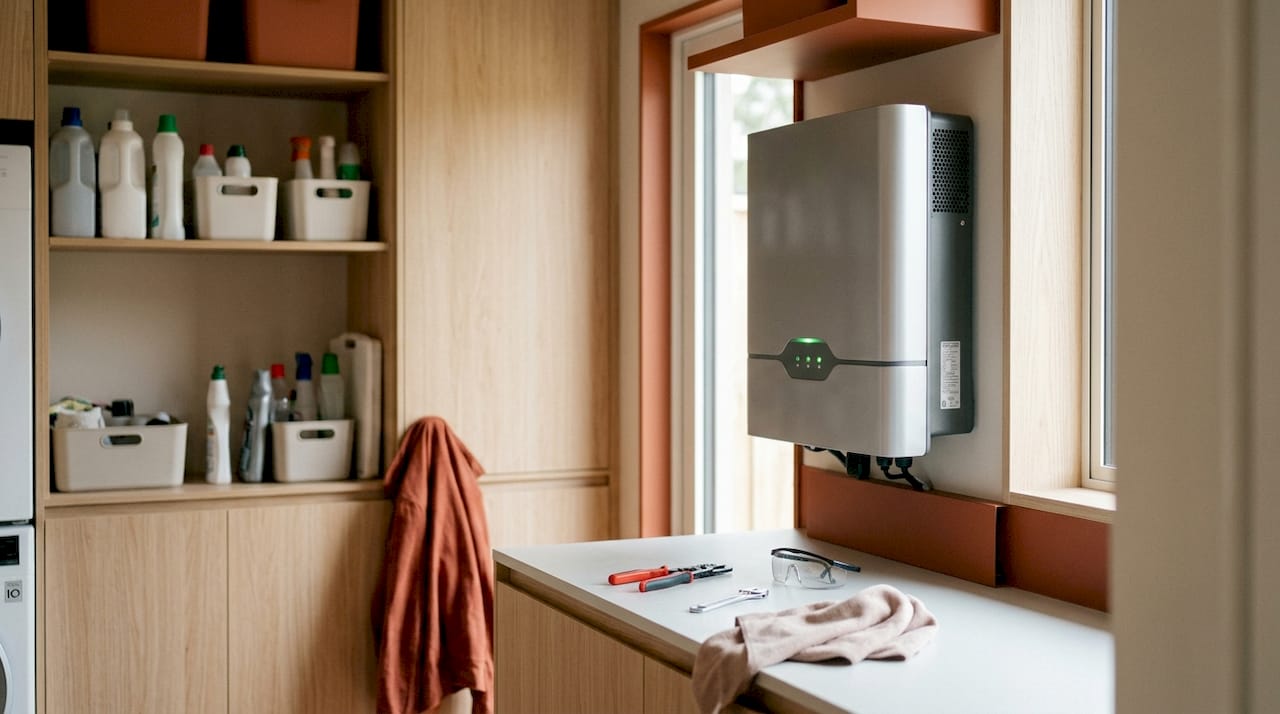
Every hybrid solar system contains five core elements: a PV array, a battery bank, a hybrid inverter, your home’s load circuits, and a grid connection. The inverter is the only component that touches all the others. Modern hybrid inverters in 2026 manage up to 20 kW AC power and support up to 200% DC oversizing, which means you can install more panel capacity than the inverter’s rated output to harvest more energy during low-light conditions. That capability alone changes how installers size systems for UK weather.
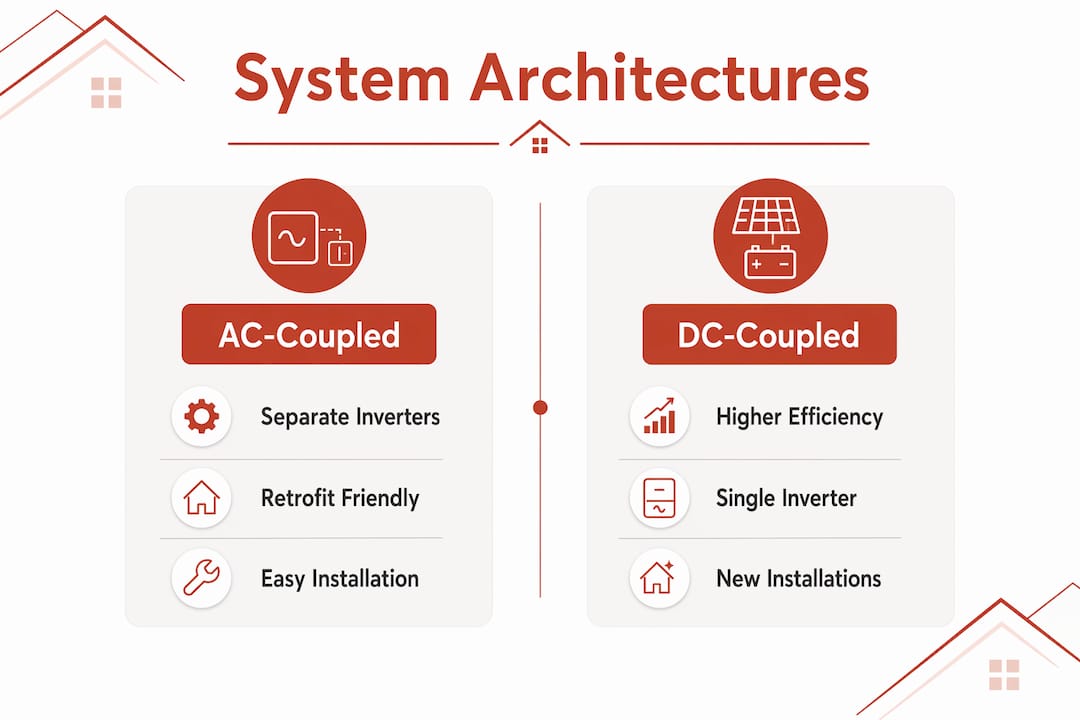
AC-coupled vs DC-coupled architectures
The two main design approaches differ in where the battery connects to the system.
| Feature | AC-coupled | DC-coupled |
|---|---|---|
| Battery connection point | AC bus (after solar inverter) | DC bus (before inverter) |
| Retrofit suitability | High. Works with existing solar inverters | Lower. Usually requires new inverter |
| Efficiency | Slightly lower due to double conversion | Higher. One fewer conversion step |
| Component flexibility | Greater. Mix brands more freely | Lower. Often tied to one inverter ecosystem |
| Best for | Adding storage to an existing solar system | New installations designed from scratch |
AC-coupled systems use separate inverters for solar panels and battery, which makes retrofitting a battery onto an existing solar array straightforward. The trade-off is a small efficiency loss because power converts from DC to AC and back to DC again when charging the battery. DC-coupled systems avoid that double conversion, sending solar DC directly to the battery before a single AC conversion for home use. The efficiency gain is real, but DC-coupled setups often lock you into one manufacturer’s inverter and battery ecosystem, which limits your options if you want to expand later.
Pro Tip: If you already have solar panels installed, AC coupling is almost always the faster and cheaper route to adding battery storage. Ask your installer to confirm compatibility before purchasing a battery.
The hybrid inverter also handles Maximum Power Point Tracking (MPPT), which continuously adjusts the electrical load on the panels to extract the maximum available power as light levels change throughout the day. Without MPPT, panels would operate below their potential output for most of the day.
What benefits does a combined solar battery system offer?
Hybrid solar systems improve energy security, cost-effectiveness, and system flexibility by enabling stable power supply regardless of grid conditions. That covers the headline, but the practical benefits for homeowners go further.
- Higher self-consumption. Without a battery, a typical household uses only a fraction of what its panels generate during the day. A battery captures the rest, so you consume more of your own free solar power rather than buying from the grid at peak rates. See real savings examples from 2026 installations to understand the scale of difference.
- Backup power during outages. Grid failures no longer mean sitting in the dark. A properly configured hybrid system keeps your lights, fridge, and broadband running from the battery while the grid is down.
- Reduced carbon footprint. Every kilowatt-hour you draw from your battery instead of the grid displaces fossil-fuel generation. Over a system’s lifetime, that adds up to a meaningful reduction in household emissions.
- Financial flexibility through tariffs. Time-of-use electricity tariffs reward households that shift consumption away from peak hours. A battery makes that shift automatic, buying cheap overnight power and avoiding expensive evening rates.
- DC oversizing for UK conditions. Because the UK sees frequent low-light days, the ability to oversize the PV array relative to the inverter means the system harvests useful energy even when the sun is weak. This is a practical advantage that a solar-only system cannot replicate.
A note on PVT systems: research shows that combining a PV system with a heat pump and PVT panels can achieve up to 20% higher energy output by cooling the panels and capturing thermal energy simultaneously. That is a compelling technology, but it is a separate category from a hybrid solar battery system. Do not conflate the two when budgeting or planning.
How can homeowners optimise and maintain their systems?
A hybrid solar system performs best when it is actively managed rather than left entirely on default settings. The hardware is reliable, but the financial returns depend on how well the system is configured for your household’s specific patterns.
- Match battery capacity to your evening consumption. A battery that is too small runs flat before midnight. A battery that is too large rarely fills, wasting capital. Review your smart meter data for a typical week before sizing.
- Use smart tariffs. Tariffs such as Octopus Agile or Octopus Go allow the battery to charge at very low overnight rates. The hybrid inverter can be programmed to follow these windows automatically.
- Plan for expansion from day one. If you intend to add an EV charger later, choose an inverter with sufficient capacity now. Pairing solar with an EV charger is one of the most effective ways to increase self-consumption further.
- Schedule annual checks. Connections, battery health, and inverter firmware all need periodic review. A qualified electrician should inspect the system at least once a year to maintain warranty validity and safe operation.
- Monitor generation data. Most hybrid inverters provide app-based monitoring. Reviewing weekly generation and consumption data helps you spot degradation early and adjust settings as your household’s needs change.
Pro Tip: If your inverter supports it, enable grid charging during negative price periods on Octopus Agile. Some homeowners are paid to charge their batteries, effectively getting free stored energy.
The benefits of solar self-consumption compound over time. A well-maintained system installed today will still be generating meaningful savings in fifteen years.
Key takeaways
A combined solar battery system, properly sized and configured, is the most effective way for a UK homeowner to maximise solar investment, reduce grid dependence, and gain genuine energy resilience.
| Point | Details |
|---|---|
| Core definition | A hybrid solar system integrates panels, battery, and grid into one managed energy unit. |
| Hybrid inverter is central | The inverter makes millisecond decisions on power flow, replacing manual energy management entirely. |
| Architecture choice matters | DC-coupled systems offer higher efficiency; AC-coupled systems suit retrofits and offer more flexibility. |
| Backup power is a key advantage | A correctly configured system keeps critical home circuits running during grid outages. |
| Optimisation drives returns | Smart tariffs, correct battery sizing, and annual maintenance significantly increase financial benefits. |
Why I think most homeowners underestimate these systems
The conversation I have most often with homeowners goes something like this: they have had solar panels for a few years, they are happy with them, and they are wondering whether a battery is worth adding. My honest answer is that the battery is often where the real value sits, and most people discover that too late.
A solar-only system is a daytime tool. It saves you money when you are at home and the sun is shining, which for many working households is not most of the time. A hybrid system changes the equation entirely. It captures what you would otherwise export for pennies and makes it available in the evening when your household actually needs power. That shift in timing is worth more than the raw generation numbers suggest.
The technology has also matured considerably. The hybrid inverter as a control centre making millisecond decisions is no longer a premium feature. It is standard across mid-range systems in 2026. What used to require expensive energy management hardware is now built into the inverter itself.
The misconception I push back on most firmly is the idea that these systems are complicated to live with. They are not. Once configured correctly by a qualified installer, they run without any input from you. The complexity is in the design and installation, not in the daily experience. That is exactly why choosing an experienced electrical contractor matters more than choosing the most expensive hardware.
— Simon
Solar battery systems installed by Smarthometechnical
Smarthometechnical designs and installs combined solar battery systems for homeowners across southern England, from initial survey through to commissioning and aftercare.
Every installation starts with a detailed assessment of your current energy use, roof orientation, and tariff options. The team then specifies the right inverter, battery capacity, and panel array for your home rather than applying a one-size-fits-all package. Whether you are starting fresh or adding storage to an existing solar array, Smarthometechnical handles the full process. Visit the solar installations page to see the services available and read about completed projects across the region.
FAQ
What is the difference between a hybrid and a grid-tied solar system?
A grid-tied system exports surplus solar power directly to the grid. A hybrid system stores that surplus in a battery first, increasing self-consumption and providing backup power during outages.
How does a solar battery work at night?
The battery discharges stored DC electricity through the hybrid inverter, which converts it to AC for home use. The grid only supplies power if the battery reaches its minimum state of charge.
Is DC-coupled or AC-coupled better for a new installation?
DC-coupled systems offer higher efficiency for new builds because they avoid double power conversion. AC-coupled systems are better suited to retrofitting a battery onto an existing solar array.
Can a combined solar battery system power my home during a blackout?
Yes, provided the inverter is designed to form a safe microgrid island during grid outages. Not all inverters include this feature, so confirm backup capability before purchasing.
What size battery do I need for a typical UK home?
Battery sizing depends on your evening and overnight consumption. Most UK households find a capacity in the 5–15 kWh range covers their needs, but a proper assessment of your smart meter data gives a more accurate figure.
